|





MV anecdotes
 Teenage Mutant Ninja Turtles
 Lorwyn Eclipsed
 Avatar: the Last Airbender
 Spider-Man / Omenpaths
 Edge of Eternities
 Final Fantasy
 Tarkir: Dragonstorm
| 1091 anecdotes trouvées |   |


Les cinq cartes Aven Shrine, Cephalid Shrine, Cabal Shrine, Dwarven Shrine et Nantuko Shrine, de l'édition Odyssey, forment un cycle de reliquaires.
Source ("I'll begin with the Shrine cycle (originally known as the "Bazaar" cycle) [...] The whole cycle should have pushed in the same direction. They all should have rewarded you or punished you. [...] Punishing players for playing multiple copies of a card seems more like the right call, as I think the point of the cycle was to encourage people to diversify their decks a bit more.")
Source ("I'll begin with the Shrine cycle (originally known as the "Bazaar" cycle) [...] The whole cycle should have pushed in the same direction. They all should have rewarded you or punished you. [...] Punishing players for playing multiple copies of a card seems more like the right call, as I think the point of the cycle was to encourage people to diversify their decks a bit more.")
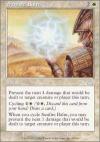
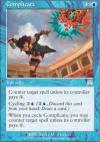
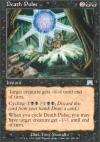
Les cinq cartes Sunfire Balm, Complicate, Death Pulse, Slice and Dice et Primal Boost, de l'édition Onslaught, forment un cycle.
Ces cartes ont toutes une capacité déclenchée lorsque la carte est recyclée.
Ces cartes ont toutes une capacité déclenchée lorsque la carte est recyclée.
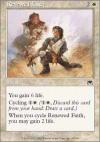
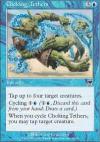
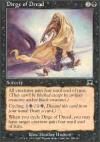
Les cinq cartes Renewed Faith, Choking Tethers, Dirge of Dread, Solar Blast et Krosan Tusker, de l'édition Onslaught, forment un cycle.
Ces cartes ont toutes une capacité déclenchée lorsque la carte est recyclée.
Ces cartes ont toutes une capacité déclenchée lorsque la carte est recyclée.
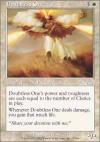

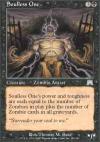
Les cinq cartes Doubtless One, Nameless One, Soulless One, Reckless One et Heedless One, de l'édition Onslaught, forment un cycle appelé "-less One".
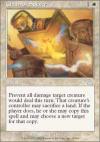
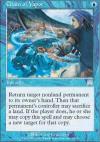
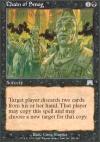
Les cinq cartes Chain of Silence, Chain of Vapor, Chain of Smog, Chain of Plasma et Chain of Acid, de l'édition Onslaught, forment un cycle appelé "Chain".
Elles font référence à Chain Lightning de par leur nom et la possibilité de rendre leur effet symétrique "en chaîne" moyennant le sacrifice d'un terrain.
Elles font référence à Chain Lightning de par leur nom et la possibilité de rendre leur effet symétrique "en chaîne" moyennant le sacrifice d'un terrain.
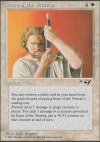
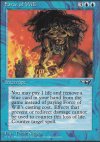

Les cinq cartes Scars of the Veteran, Force of Will, Contagion, Pyrokinesis et Bounty of the Hunt, de l'édition Alliances, forment un cycle.
Ce sont les premières "pitch cards" de Magic.
Source (#7: Pitch Cards - "[...] Chris noticed that in my puzzles, I most often tapped out the opponent to keep him/her from messing with you during the puzzle. This gave Chris an idea to make a spell that could be cast even when a player was tapped out. These cards would go on to be called the "pitch cards" and showed up in Alliances. The most famous of these cards was Force of Will . [...]")
Ce sont les premières "pitch cards" de Magic.
Source (#7: Pitch Cards - "[...] Chris noticed that in my puzzles, I most often tapped out the opponent to keep him/her from messing with you during the puzzle. This gave Chris an idea to make a spell that could be cast even when a player was tapped out. These cards would go on to be called the "pitch cards" and showed up in Alliances. The most famous of these cards was Force of Will . [...]")
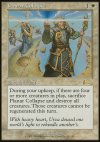
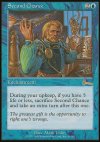
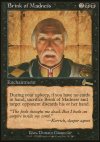
Les cinq cartes Planar Collapse, Second Chance, Brink of Madness, Impending Disaster et Defense of the Heart, de l'édition Urza's Legacy, forment un cycle.
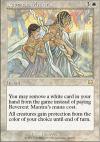
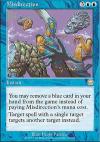
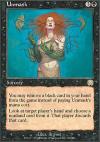
Les cinq cartes Reverent Mantra, Misdirection, Unmask, Cave-In et Vine Dryad, de l'édition Mercadian Masques, forment un cycle.
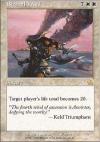
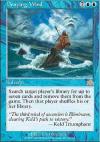
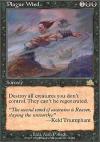
Les cinq cartes Blessed Wind, Denying Wind, Plague Wind, Searing Wind et Vitalizing Wind, de l'édition Prophecy, forment un cycle appelé "Wind". De plus leurs textes d'ambiance se font écho.

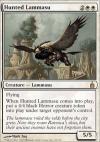
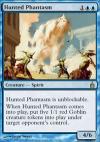
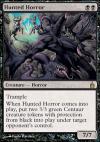
Les cinq cartes Hunted Lammasu, Hunted Phantasm, Hunted Horror, Hunted Dragon et Hunted Troll, de l'édition Ravnica: City of Guilds, forment un cycle appelé "Hunted".
Toutes font créer sous le contrôle de l'adversaire un ou des jetons d'une couleur ennemie, en contrepartie de leur puissance.
La carte Hunted Bonebrute parue ensuite fait référence à ce cycle.
Toutes font créer sous le contrôle de l'adversaire un ou des jetons d'une couleur ennemie, en contrepartie de leur puissance.
La carte Hunted Bonebrute parue ensuite fait référence à ce cycle.


Les cinq cartes Charmed Griffin, Indentured Djinn, Enslaved Horror, Hired Giant et Hunted Wumpus, de l'édition Mercadian Masques, forment un cycle.

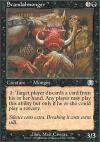
Les cinq cartes Wishmonger, Sailmonger, Scandalmonger, Warmonger et Squallmonger, de l'édition Mercadian Masques, forment un cycle appelé "-Monger".
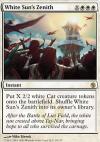
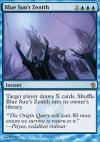
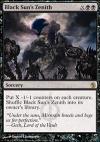
Les cinq cartes White Sun's Zenith, Blue Sun's Zenith, Black Sun's Zenith, Red Sun's Zenith et Green Sun's Zenith, de l'édition Mirrodin Besieged, forment un cycle appelé "Zenith".
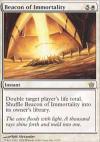
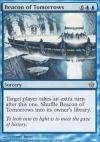
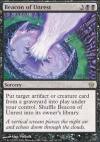
Les cinq cartes Beacon of Immortality, Beacon of Tomorrows, Beacon of Unrest, Beacon of Destruction et Beacon of Creation, de l'édition Fifth Dawn, forment un cycle appelé "Beacon".

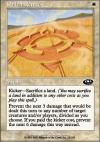
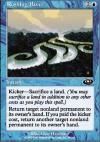
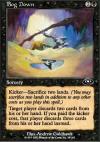
Les cinq cartes Pollen Remedy, Rushing River, Bog Down, Magma Burst et Falling Timber, de l'édition Planeshift, forment un cycle.
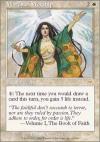


Les cinq cartes Words of Worship, Words of Wind, Words of Waste, Words of War et Words of Wilding, de l'édition Onslaught, forment un cycle appelé "Words".


Les cinq cartes Sunscape Apprentice, Stormscape Apprentice, Nightscape Apprentice, Thunderscape Apprentice et Thornscape Apprentice, de l'édition Invasion, forment un cycle appelé "-scape Apprentice".


Les cinq cartes Sunscape Master, Stormscape Master, Nightscape Master, Thunderscape Master et Thornscape Master, de l'édition Invasion, forment un cycle appelé "-scape Master".
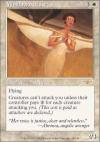
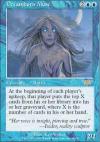
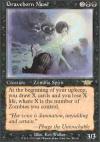
Les cinq cartes Windborn Muse, Dreamborn Muse, Graveborn Muse, Lavaborn Muse et Seedborn Muse, de l'édition Legions, forment un cycle appelé "-born Muse".

La carte Whippoorwill représente un oiseau, cependant cette créature n'a aucun moyen d'avoir le Vol. Depuis cette erreur, il est toujours précisé, au moment de la commande des illustrations, si la créature peut avoir le Vol, ou non.
Source (#13 - Biggest Mistake - Art - Representing Flying)
Source (#13 - Biggest Mistake - Art - Representing Flying)

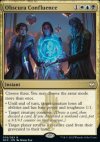

Les cinq cartes Brokers Confluence, Obscura Confluence, Maestros Confluence, Riveteers Confluence et Cabaretti Confluence, de l'édition Streets of New capenna Commander Decks, forment un cycle appelé "Confluence" d'éphémères/rituels tricolores.
Ce cycle est inspiré d'un autre cycle paru dans l'édition Commander 2015 (voir cette anecdote).
Ce cycle est inspiré d'un autre cycle paru dans l'édition Commander 2015 (voir cette anecdote).

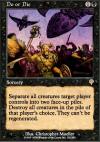
La carte Make an Example est une version multi-joueurs de la carte Do or Die. Son effet est également amélioré.
| 1091 anecdotes trouvées | |