|





MV anecdotes
 Marvel Superheroes
 Secrets of Strixhaven
 Teenage Mutant Ninja Turtles
 Lorwyn Eclipsed
 Avatar: the Last Airbender
 Spider-Man / Omenpaths
 Edge of Eternities
| 1113 anecdotes trouvées |   |

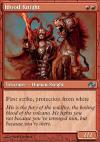
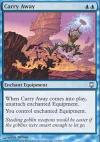


Les cartes Carry Away et Steal Enchantment sont des références à Steal Artifact de par leur nom et/ou leur effet, transposé d'un artefact à respectivement un équipement et un enchantement (voir aussi cette anecdote).
D'une certaine manière les cartes Steal Artifact et Control Magic ont le même effet, appliqué à respectivement un artefact et une créature.
D'une certaine manière les cartes Steal Artifact et Control Magic ont le même effet, appliqué à respectivement un artefact et une créature.
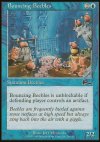
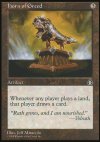
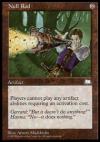
Sur l'illustration de la carte Bouncing Beebles, on peut apercevoir une Horn of Greed et une Null Rod.
Source (Bouncing Beebles)
Source (Bouncing Beebles)
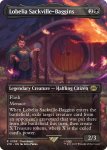
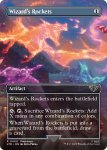
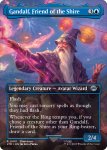
Les six cartes Lobelia Sackville-Baggins, Wizard's Rockets, Gandalf, Friend of the Shire, Delighted Halfling, Bilbo, Retired Burglar et Frodo Baggins, de l'édition The Lord of the Rings: Tales of Middle-earth et illustrées par Livia Prima, forment une seule image, représentant la scène "Bilbo's Birthday Party" ("Une réception depuis longtemps attendue" en français).
Source 1 - Source 2 -
Source 1 - Source 2 -
Source 3 : Dopaprime (@dopaprime), le 1:37 AM · May 30, 2023 a écrit :
Bilbo's Birthday for MTG The Lord of the Rings: Tales of Middle-earth ✨🎂🍻🎉
Took me 2.5 months to finish these 😂. The composition is the hardest, but painting the character to make them come alive is quite enjoyable.
All six cards in the comment👇
Took me 2.5 months to finish these 😂. The composition is the hardest, but painting the character to make them come alive is quite enjoyable.
All six cards in the comment👇

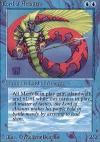
La carte Master of the Pearl Trident est une version revisitée de Lord of Atlantis, à la nuance qu'elle limite le bonus qu'elle offre aux créatures de son contrôleur.
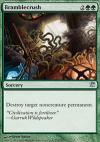
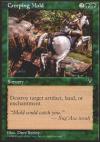
La carte Bramblecrush est une version revisitée de Creeping Mold, permettant notamment de cibler de nouveaux types de permanent qui auraient été créés après sa parution.
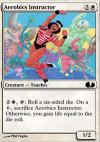
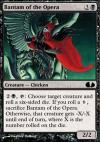
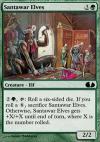
Les trois cartes Aerobics Instructor, Bantam of the Opera et Santawar Elves, de l'édition Unglued 2 : The Obligatory Sequel, forment un cycle. Toutefois les cartes bleue et rouge de ce cycle, permettant d'arriver au nombre habituel et annoncé de cinq cartes, ne sont pas clairement identifiées.
Source (Aerobics Instructor - "This card is part of a five-card creature cycle. Each card had you roll a six-sided die and get a benefit based on the roll, but if you rolled a six, the card was sacrificed." - Bantam of the Opera - "You can see that this card is in the same creature cycle as Aerobics Instructor.")
Source (Aerobics Instructor - "This card is part of a five-card creature cycle. Each card had you roll a six-sided die and get a benefit based on the roll, but if you rolled a six, the card was sacrificed." - Bantam of the Opera - "You can see that this card is in the same creature cycle as Aerobics Instructor.")
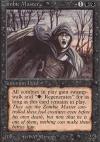
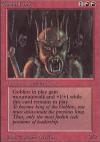
Les cartes Lord of Atlantis, Zombie Master et Goblin King, de l'édition Limited (Alpha), sont les premières créatures de type "Lord" (Seigneur) ou "King" (Roi), permettant de renforcer les créatures d'une tribu spécifique (c'est-à-dire avec un type de créature spécifique).
Ce type de créature "Lord" a servi ensuite à désigner toute créature qui joue un rôle similaire ; il a disparu suite au Grand Creature Type Update, mais l'expression est restée.
Source (Lord - "n. a creature that applies a static buff or benefit to other creatures of a particular subtype - The name is taken from Lord of Atlantis , which debuted in Limited Edition (Alpha).")
Ce type de créature "Lord" a servi ensuite à désigner toute créature qui joue un rôle similaire ; il a disparu suite au Grand Creature Type Update, mais l'expression est restée.
Source (Lord - "n. a creature that applies a static buff or benefit to other creatures of a particular subtype - The name is taken from Lord of Atlantis , which debuted in Limited Edition (Alpha).")


Les deux cartes Pilgrim of Virtue et Pilgrim of Justice, de l'édition Odyssey, forment une paire de "Color-Hosers".
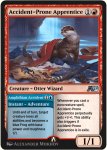
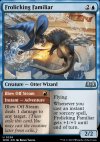

Les cartes Accident-Prone Apprentice, Frolicking Familiar, Elusive Otter, Eon Frolicker, Thieving Otter, Lutri, the Spellchaser et Lutri, Pauper Otter sont les seules créatures avec le type Loutre ; jusqu'à la sortie de l'édition Bloomburrow qui est la première à en comporter un nombre conséquent.
Search ~ Type : Otter
Search ~ Type : Otter
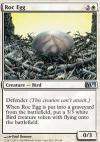
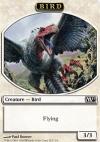
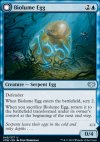
Les cartes Roc Egg, Biolume Egg, Dragon Egg et Smoldering Egg sont des références à Rukh Egg de par leur nom, leur illustration et leur mécanique, permettant d'obtenir une créature ou un jeton de créature avec une capacité d'évasion adaptée à sa couleur selon la color pie.
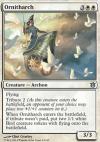
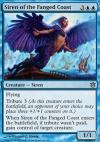
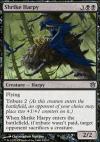
Les cinq cartes Ornitharch, Siren of the Fanged Coast, Shrike Harpy, Thunder Brute et Nessian Demolok, de l'édition Born of the Gods, forment un cycle.
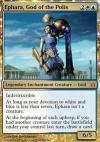
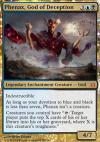
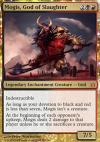
Les cinq cartes Ephara, God of the Polis, Phenax, God of Deception, Mogis, God of Slaughter, Xenagos, God of Revels et Karametra, God of Harvests, de l'édition Born of the Gods, ainsi que les cinq cartes Athreos, God of Passage, Keranos, God of Storms, Pharika, God of Affliction, Iroas, God of Victory et Kruphix, God of Horizons, de l'édition Journey into Nyx, forment un cycle de dieux.
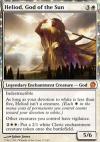


Les cinq cartes Heliod, God of the Sun, Thassa, God of the Sea, Erebos, God of the Dead, Purphoros, God of the Forge et Nylea, God of the Hunt, de l'édition Theros, forment un cycle de dieux.
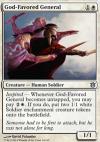

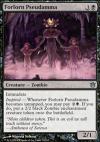
Les cinq cartes God-Favored General, Aerie Worshippers, Forlorn Pseudamma, Satyr Nyx-Smith et Pheres-Band Raiders, de l'édition Born of the Gods, forment un cycle.
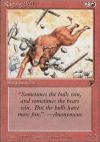
Le texte d'ambiance de la carte Raging Bull est une référence à la Bourse, où s'opposent les "bulls", selon lesquels les actifs vont monter, et les "bears", selon lesquels les actifs vont baisser.
Son nom est quant à lui une référence au film "Raging Bull".
Source
Son nom est quant à lui une référence au film "Raging Bull".
Source


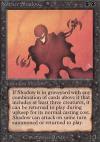
Sur l'illustration de Mark Tedin pour la carte Circle of Protection: Art, de l'édition Arena Promos, on peut voir des références à des illustrations d'autres cartes, parues dans les premières éditions de Magic... :
• Reverse Polarity
• Nether Shadow
• Stasis
• Weakstone
• Silhouette
Hasard ou non, Justin Hampton est plusieurs fois cité en référence.
• Reverse Polarity
• Nether Shadow
• Stasis
• Weakstone
• Silhouette
Hasard ou non, Justin Hampton est plusieurs fois cité en référence.
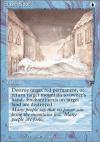


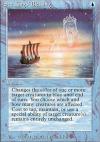
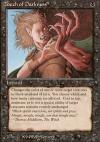
Les cinq cartes Heaven's Gate, Sea Kings' Blessing, Touch of Darkness, Dwarven Song et Sylvan Paradise, de l'édition Legends, forment un cycle.
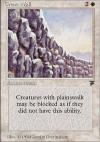
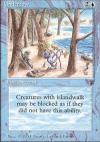
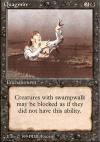
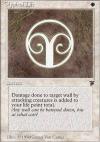
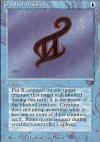
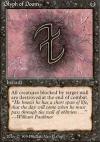
Les cinq cartes Glyph of Life, Glyph of Delusion, Glyph of Doom, Glyph of Destruction et Glyph of Reincarnation, de l'édition Legends et illustrées par Susan Van Camp, forment un cycle appelé "Glyph".
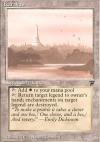
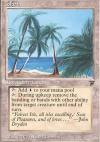

Les cinq cartes Karakas, Tolaria, Urborg, Hammerheim et Pendelhaven, de l'édition Legends, forment un cycle de terrains.
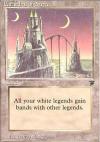
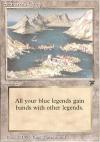

Les cinq cartes Cathedral of Serra, Seafarer's Quay, Unholy Citadel, Mountain Stronghold et Adventurers' Guildhouse, de l'édition Legends, forment un cycle de terrains.
| 1113 anecdotes trouvées | |